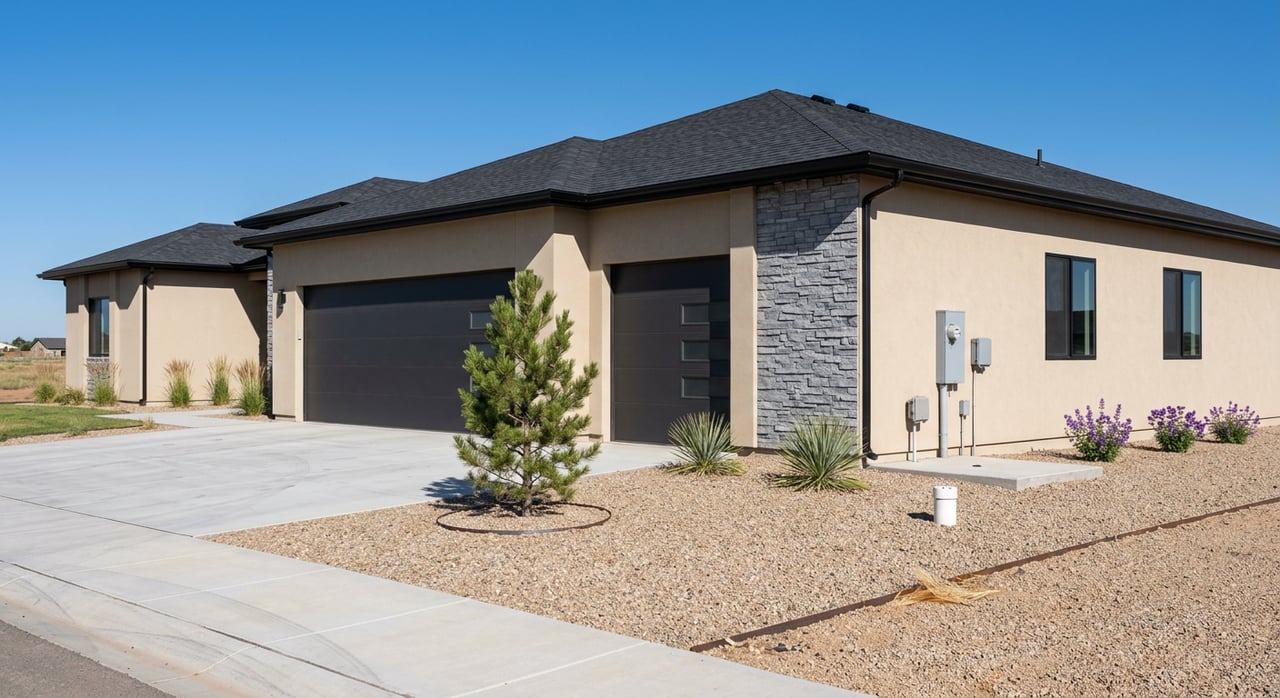
Selling A Home In Colorado City CO: Local Owner’s Guide
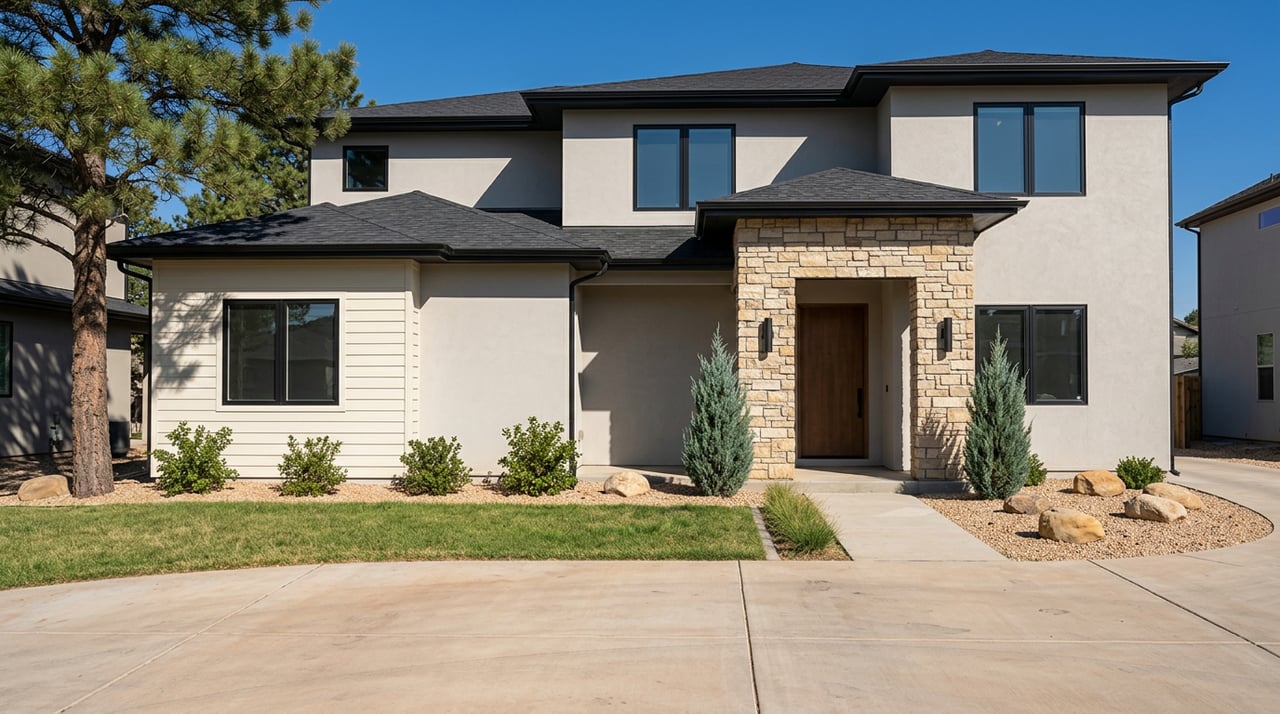
Thinking about selling your Colorado City home but not sure where to start? You are not alone. Rural properties and larger lots in the Greenhorn Valley come with unique steps that can impact price, timing, and negotiations. In this guide, you will learn how the local market is performing, the best months to list, which inspections and documents buyers expect in Pueblo County, and a simple 12‑month roadmap to a smooth sale. Let’s dive in.
Colorado City tends to sit above the broader Pueblo area on price. Recent portal reporting shows a median listing price around $389,000 for the Colorado City area, while the city of Pueblo often trends near the mid‑$200s. Small neighboring markets like Rye can swing more due to low sales volume.
Homes in 81019 span a wide range, from lower‑priced manufactured homes to improved acreage properties in the mid to upper $400s. In today’s environment, expect longer days on market than the 2020 to 2022 boom. Use zip‑level comps and property‑specific features when setting price, and be clear about which dataset and time frame you are referencing.
National data points to a spring premium, with April through June often producing more traffic and stronger pricing. Studies highlight May and June as top performers for many markets. You can review one summary of these trends in this seasonality overview.
Local conditions matter. Colorado City sits in the Greenhorn foothills, where winter weather can affect road access and showings for acreage. Recreation draws near Lake Beckwith and Greenhorn Mountain also lift buyer activity in spring and summer. If you want speed and broad exposure, target an April to early June list date and begin prep in February and March.
Buyer interest in the area is shaped by lifestyle and value. According to local guides, you will see:
To appeal to these groups, spotlight lot details, water source, septic history, driveway condition, and proximity to recreation. If relevant, identify the local school district neutrally as Pueblo County School District 70.
Getting ahead of rural‑specific questions reduces renegotiation risk. Focus on these Pueblo County priorities.
If your home uses an On‑Site Wastewater Treatment System (OWTS), Pueblo County requires a Transfer of Title septic inspection when you sell. The tank must be pumped by a licensed cleaner and inspected by a NAWT‑certified professional. Address any failing components and keep permits handy. Review county requirements in the OWTS FAQs.
Private wells are common on larger lots and are not regulated the way public water systems are. Pueblo County offers low‑cost potability testing, and the state’s PFAS Testing and Assistance Program (PFAS TAP) can help where PFAS is a concern. If you have a well, order a recent bacterial test and consider PFAS screening before listing. Learn more from Pueblo County’s drinking water page and the CDPHE PFAS program.
Much of Colorado records elevated indoor radon. County and state guidance recommend testing and mitigation if levels exceed EPA action levels. If a short‑term test is high, sub‑slab depressurization is a common fix. Typical mitigation costs often range from about $500 to $2,500 depending on the home. Find a plain‑English overview in this UCHealth guide.
Many parcels have a foothills setting. Note the local fire protection district and any mitigation work you have completed, like thinning, pruning, or debris removal. Colorado City is served by the Rye Fire Protection District and neighboring agencies. See a district map reference via the Spanish Peaks Alliance for Wildfire Protection.
Confirm recorded legal access, private road maintenance arrangements, and any county approach or driveway permits. Clear documentation helps buyers and title. For a practical due‑diligence reminder list, review this rural road and access checklist.
Freeze‑thaw cycles and grading can affect foundations and outbuildings. If you see cracking, slope movement, or prior structural work, consider a pre‑listing evaluation from a structural or geotechnical professional. Regional references note frost‑depth considerations near 30 inches in many cases; engineered solutions may be required for re‑grading or additions. See a regional example note in this engineering document.
Collect permits and as‑builts for any outbuildings. Confirm fence lines, easements, and whether mineral rights are severed. A current survey can reduce title issues and buyer delay.
Order these 6 to 12 weeks before you hit the market so you have time to address findings and assemble a clear disclosures packet:
Months −12 to −9
Months −8 to −5
Months −4 to −2
Month −1 to list date
Under contract to close
After closing
Timing notes
Rural and acreage sales move faster when you have coordinated support. A team model can:
If you want to capture the spring window, start prep now. We can deliver a zip‑level valuation, outline your pre‑listing inspection plan, and build a clear timeline to launch. When you are ready, reach out to Casey Edwards for your free home valuation and a tailored selling strategy for Colorado City.
Stay up to date on the latest real estate trends.
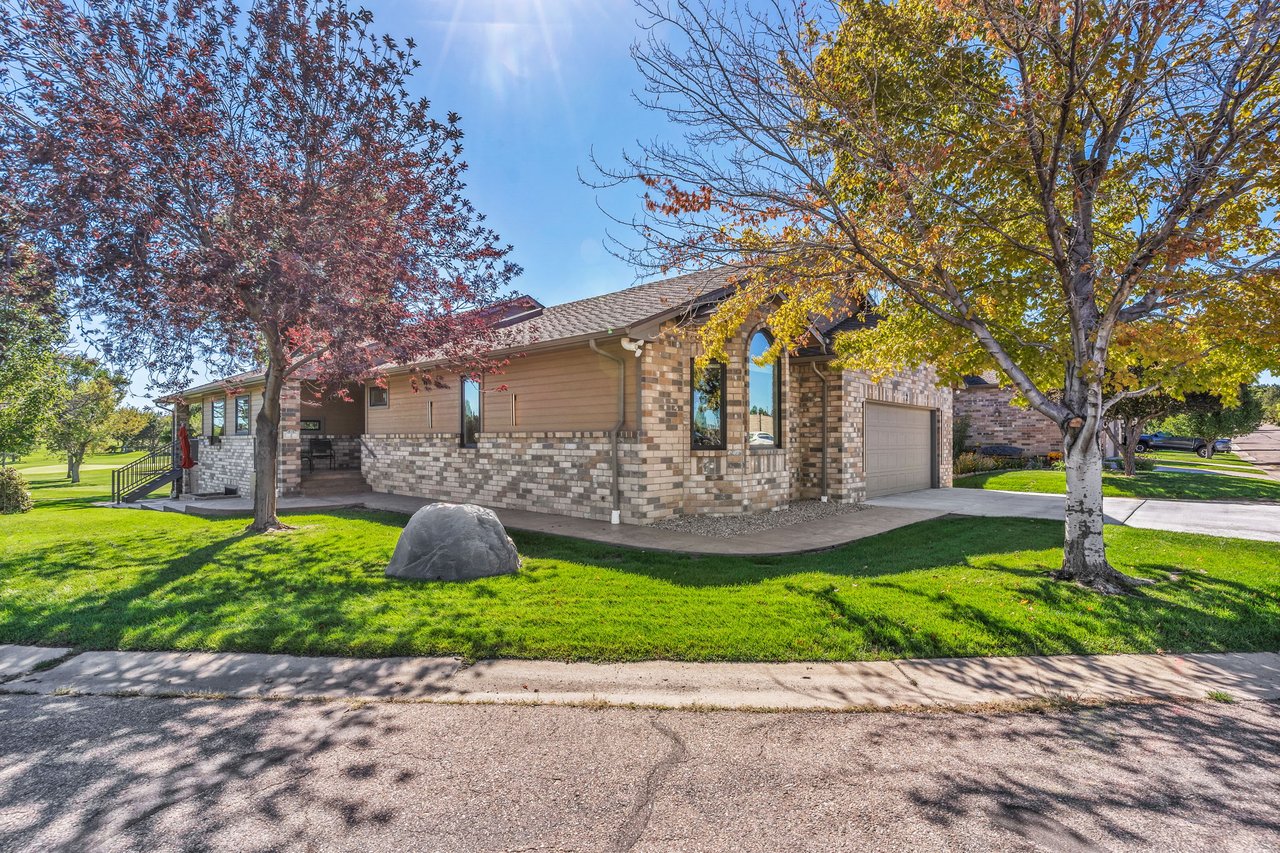
What Pueblo and Pueblo West homeowners should know about days on market, pricing, and selling a home in today's real estate market.

Team Gary Miller’s Casey Edwards has been named the 2026 REALTOR® of the Year by the Pueblo Association of REALTORS®
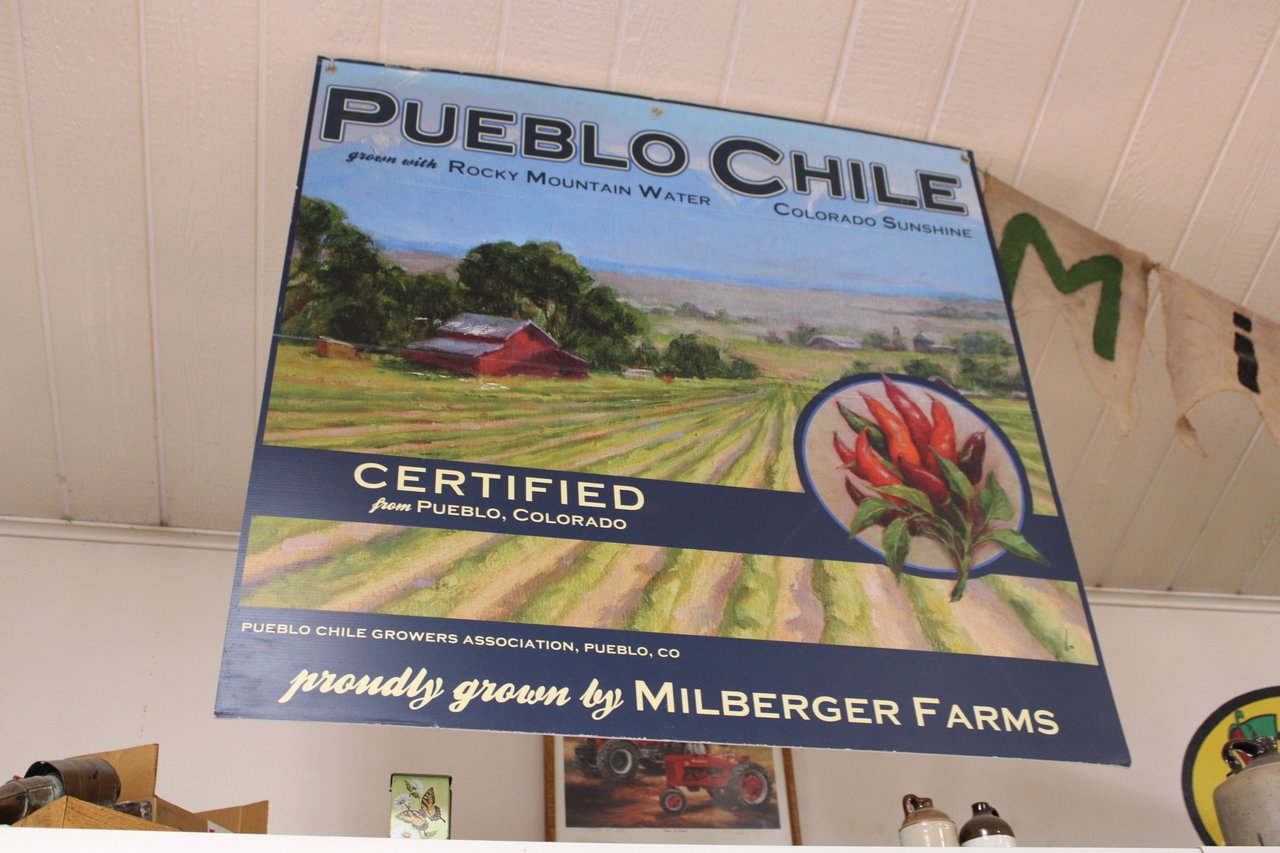
A Local Guide to Fresh Produce, Pueblo Chile and the Farms Behind the Flavor

Looking for the best places to eat in Pueblo? Discover longtime local favorites, hidden gems recommended by Pueblo residents, and restaurants worth adding to your must… Read more
Buying a Home in Pueblo County | 2026 Buyer's Guide

A practical guide to navigating a home sale during a divorce in the Pueblo area with less stress and fewer surprises.

Simple ways to enjoy Pueblo without spending much, from river walks to local art and outdoor spots