Why South Pueblo Feels Different (And Why That Matters Today)
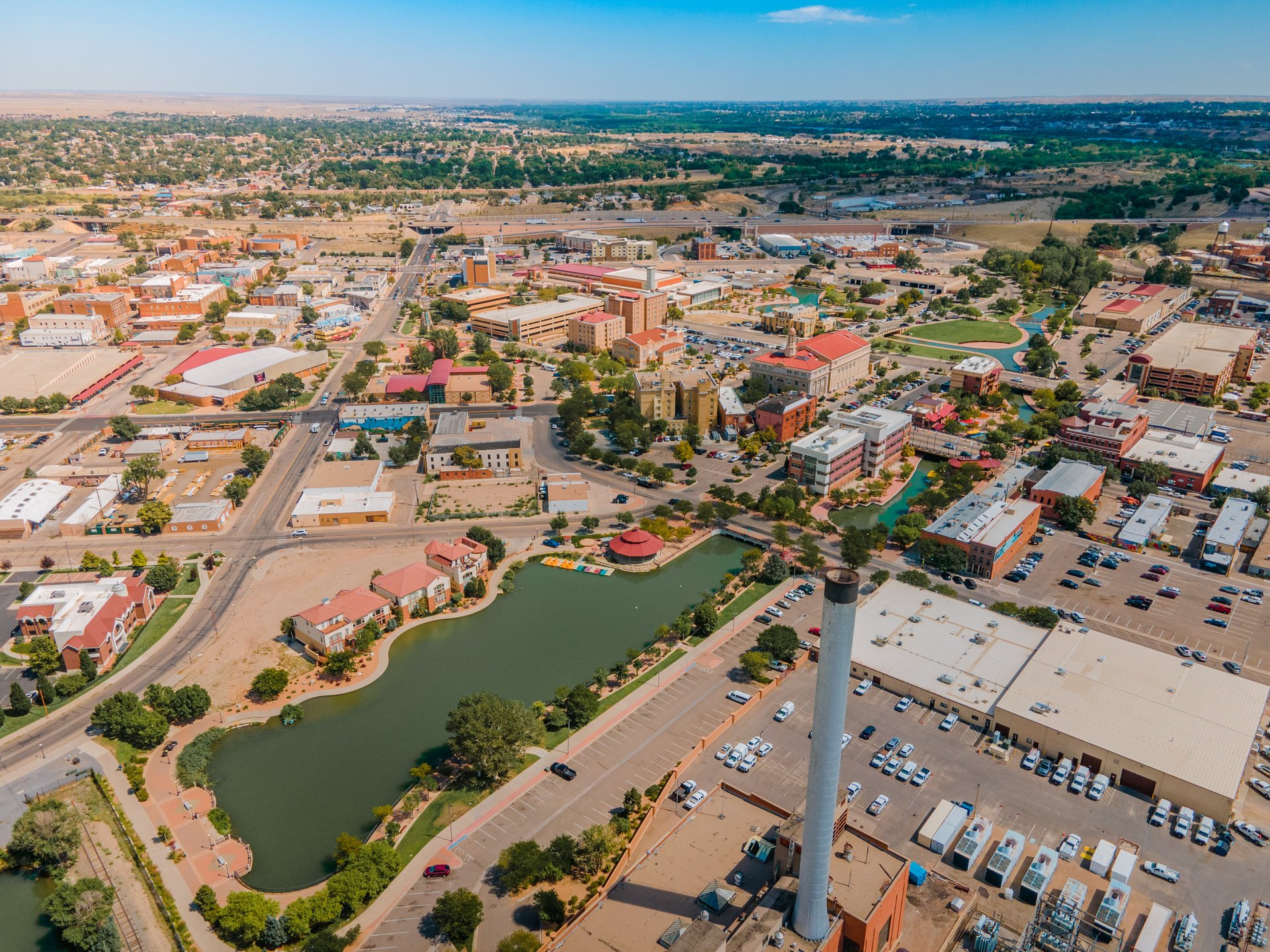
If you’ve ever driven through Pueblo’s Southside and thought it felt different from other parts of town, you’re not imagining it. Historically known as South Pueblo, this area was intentionally planned, and that original vision still shapes how the neighborhood feels today.
Unlike many neighborhoods that grew organically over time, Pueblo's Southside was laid out as part of a much larger idea. In the early 1870s, planners believed that thoughtful design could improve everyday life. Streets weren’t simply drawn in straight lines for convenience. They were shaped by the land itself.
In the Blocks area, streets curve naturally along the bluffs. In Mesa Junction, the layout shifts to a more structured grid. Abriendo Avenue was designed as a wide, landscaped boulevard rather than a narrow thoroughfare. Each area had a role, and together they formed a cohesive neighborhood rather than a patchwork of additions.
South Pueblo’s location mattered. Sitting above the floodplain of the Arkansas River, much of the area avoided the repeated flooding that reshaped other parts of Pueblo over the years. Because the land didn’t need to be constantly rebuilt, original street patterns, building placements, and neighborhood layouts were able to remain intact.
That stability is a big reason South Pueblo still feels visually connected today. You don’t see the abrupt transitions that can happen when development jumps forward by decades all at once.
Another reason South Pueblo feels cohesive is how it expanded. The neighborhood was originally platted to be quite large, which meant it didn’t need to sprawl outward as quickly as other areas. Instead, it grew inward over time through smaller subdivisions and infill.
After World War II, development slowed compared to other parts of the city. While that limited new construction, it also helped preserve architectural styles and neighborhood scale. Schools, libraries, churches, and civic buildings remained anchors rather than being replaced or overshadowed.
All of this history shows up in everyday life now. Walkability, mature trees, consistent architecture, and clearly defined neighborhoods aren’t accidents here. They’re the result of early planning decisions that valued livability as much as growth.
For homeowners and buyers alike, that sense of character matters. It’s why certain streets feel inviting, why some areas seem quieter even near busy corridors, and why South Pueblo continues to appeal to people who want a neighborhood with identity, not just a collection of houses.
South Pueblo’s story isn’t just about the past. It’s about how thoughtful planning can leave a lasting imprint, one you can still see, feel, and enjoy today.
Stay up to date on the latest real estate trends.
What Pueblo and Pueblo West homeowners should know about days on market, pricing, and selling a home in today's real estate market.

Team Gary Miller’s Casey Edwards has been named the 2026 REALTOR® of the Year by the Pueblo Association of REALTORS®
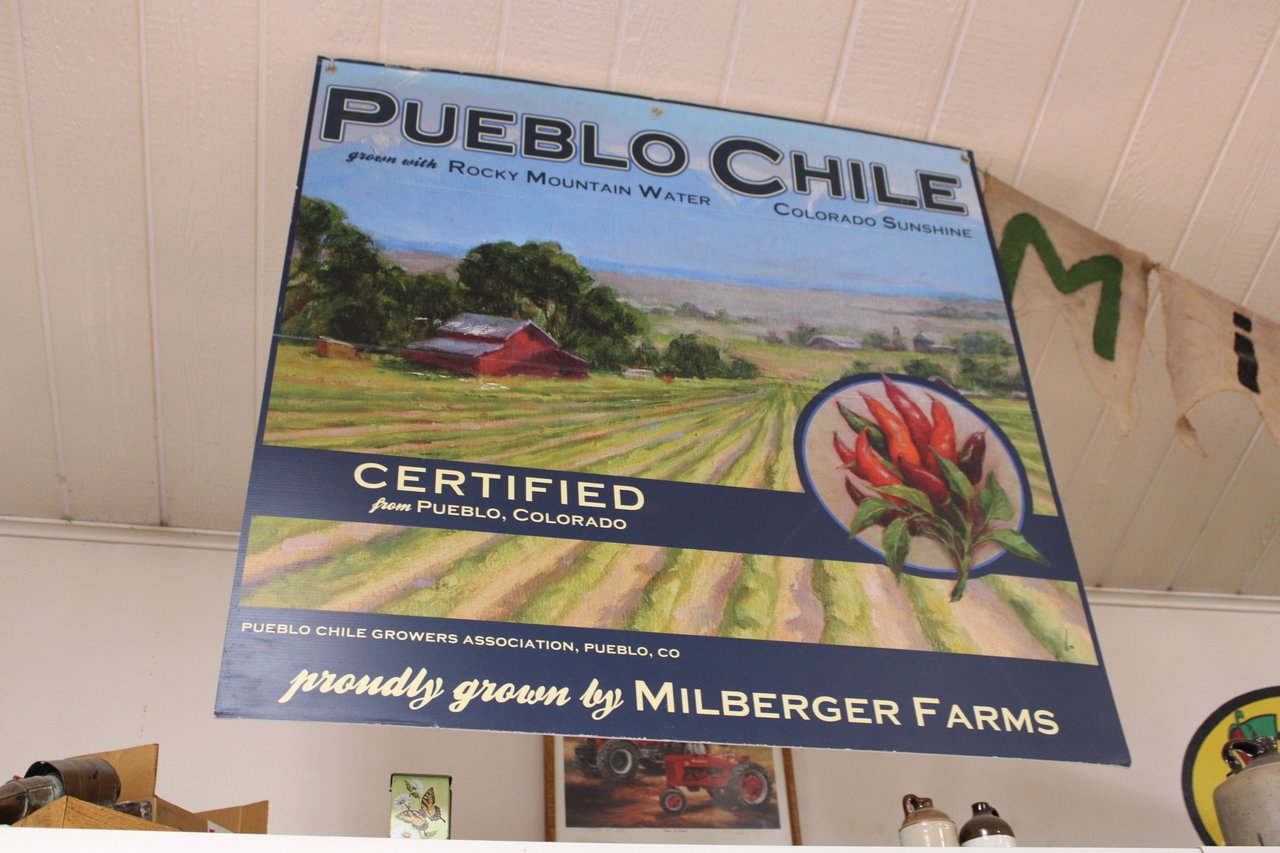
A Local Guide to Fresh Produce, Pueblo Chile and the Farms Behind the Flavor
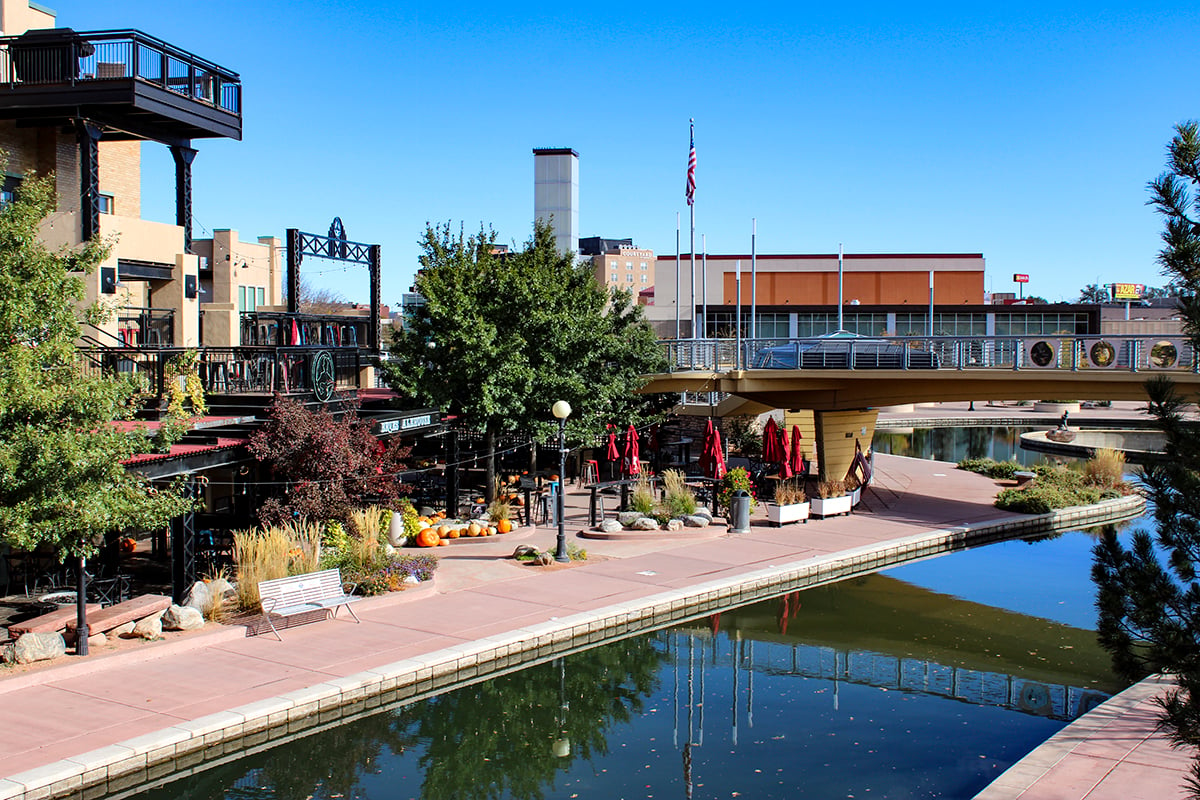
Looking for the best places to eat in Pueblo? Discover longtime local favorites, hidden gems recommended by Pueblo residents, and restaurants worth adding to your must… Read more
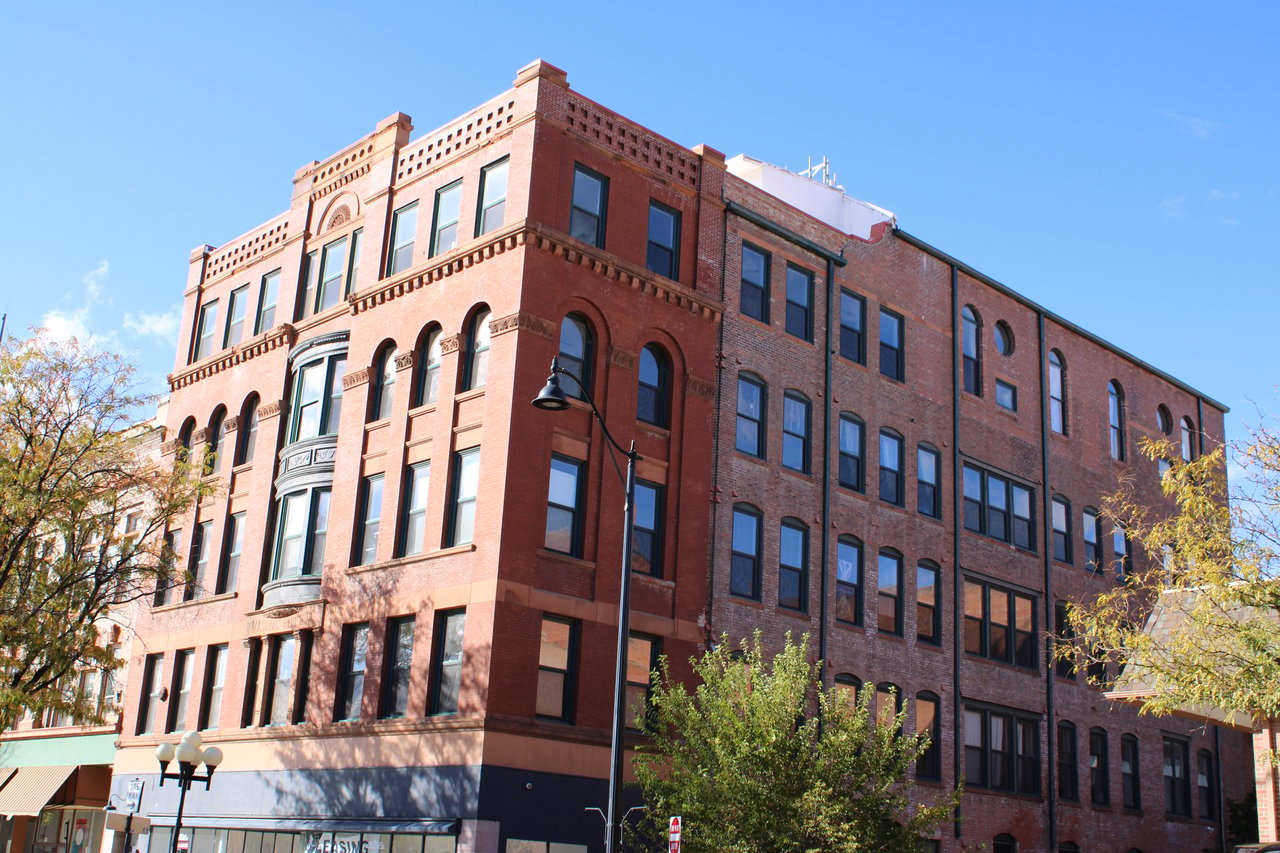
Buying a Home in Pueblo County | 2026 Buyer's Guide
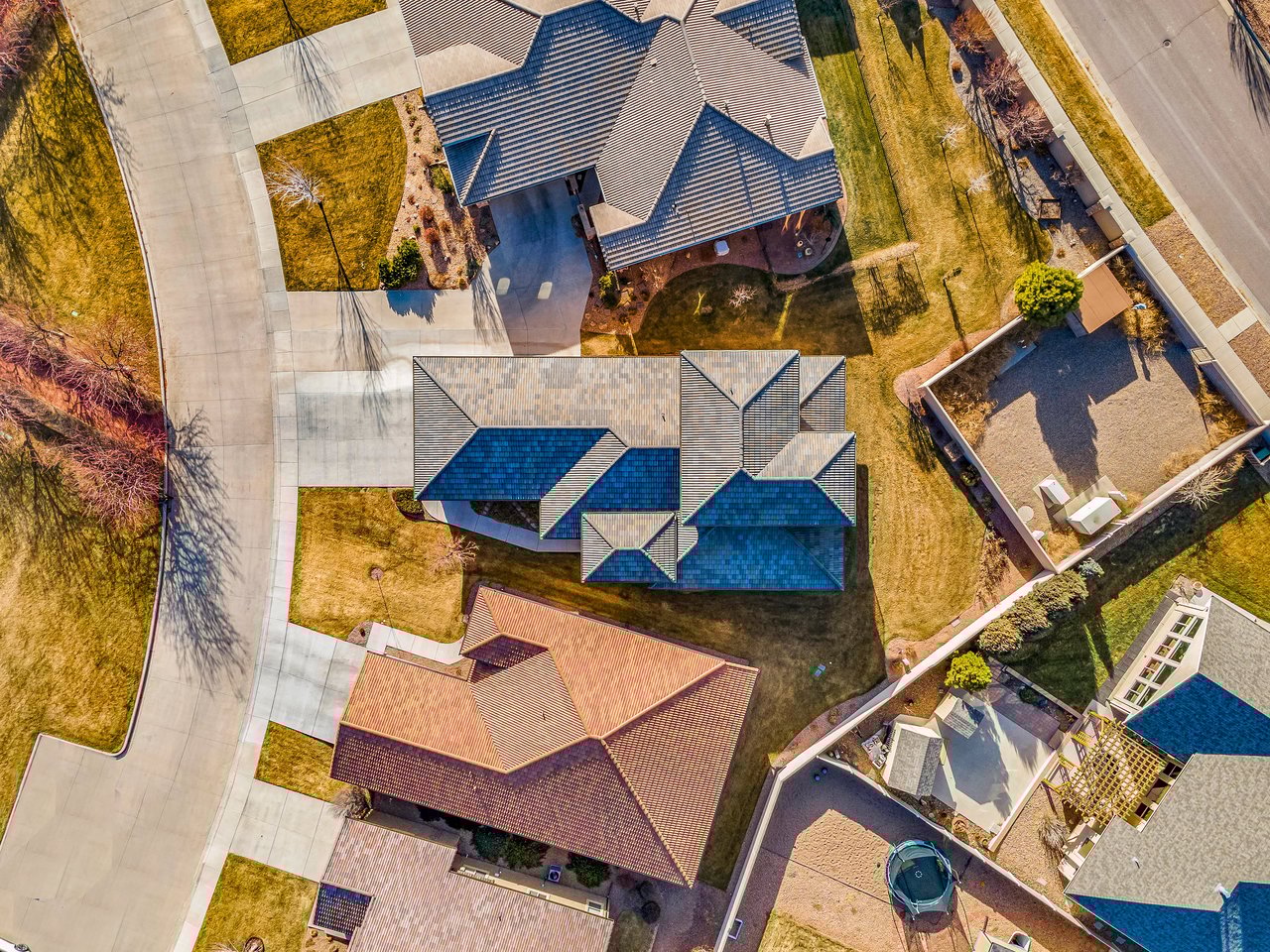
A practical guide to navigating a home sale during a divorce in the Pueblo area with less stress and fewer surprises.
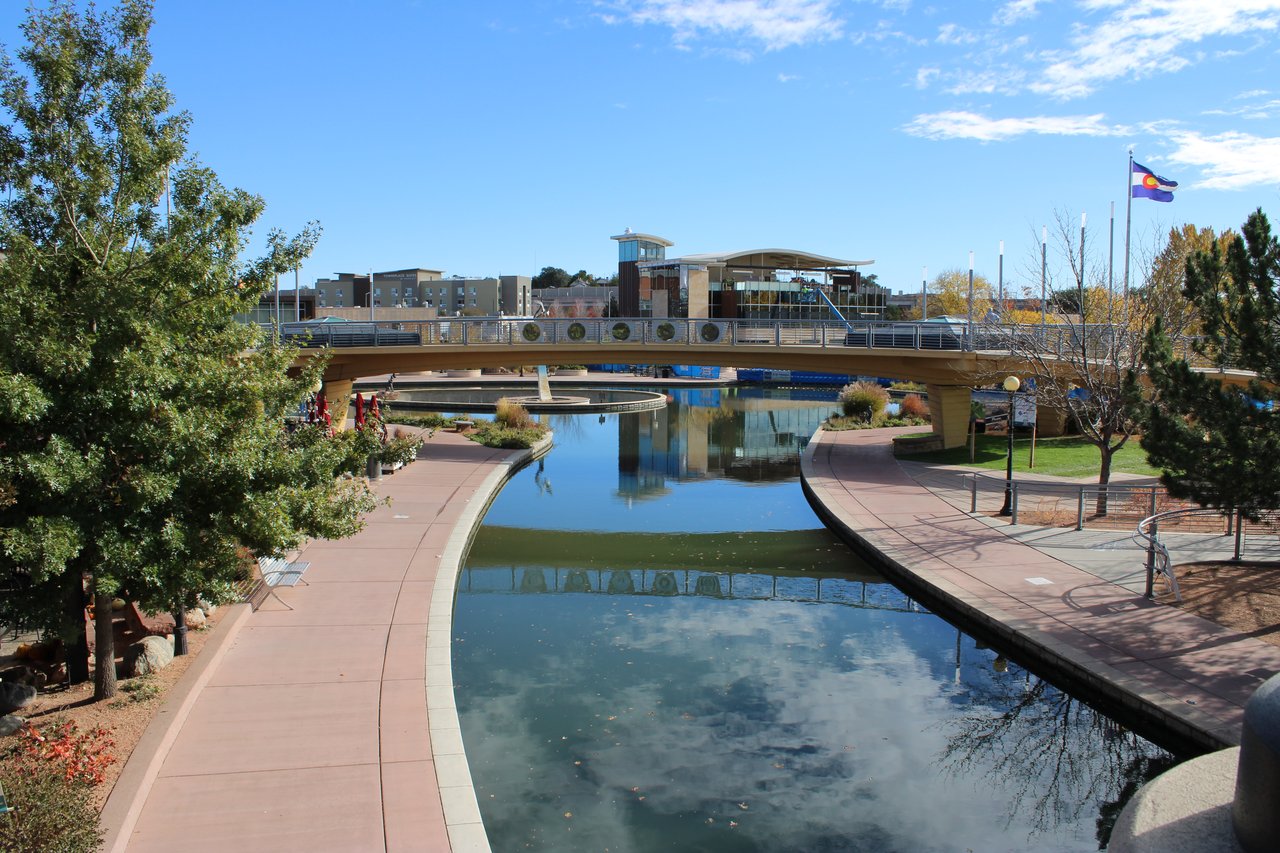
Simple ways to enjoy Pueblo without spending much, from river walks to local art and outdoor spots