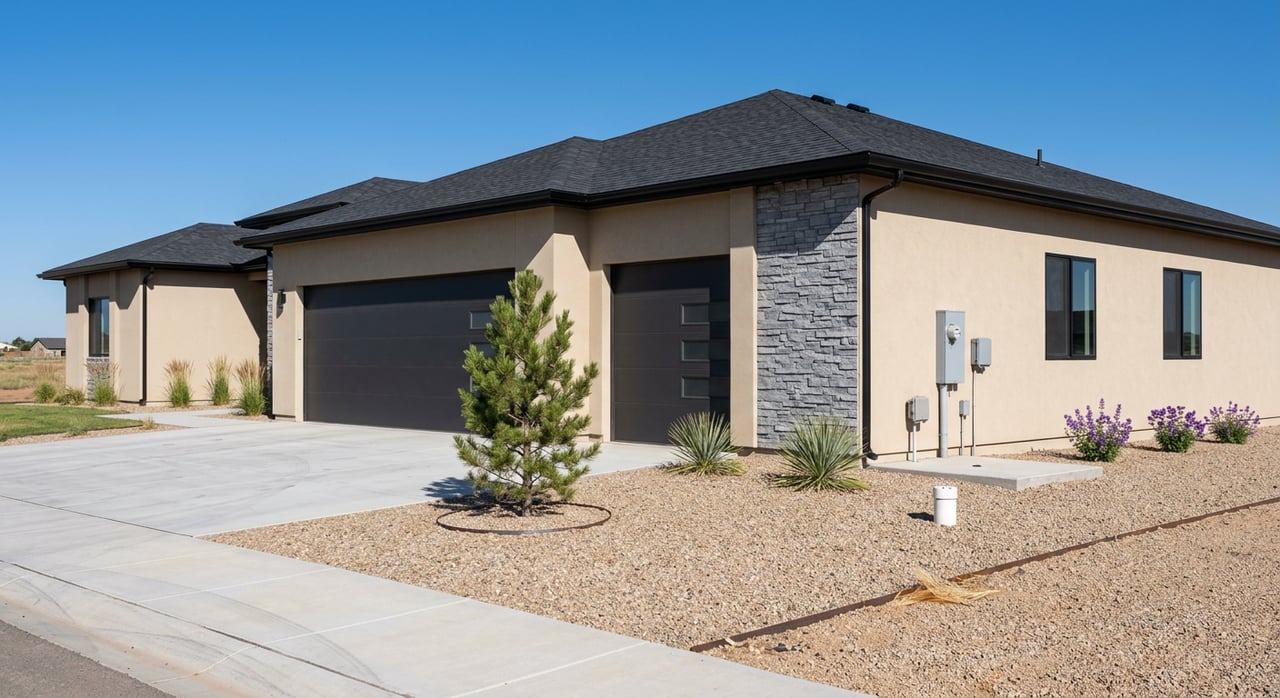
What Living on Acreage in Penrose Really Means
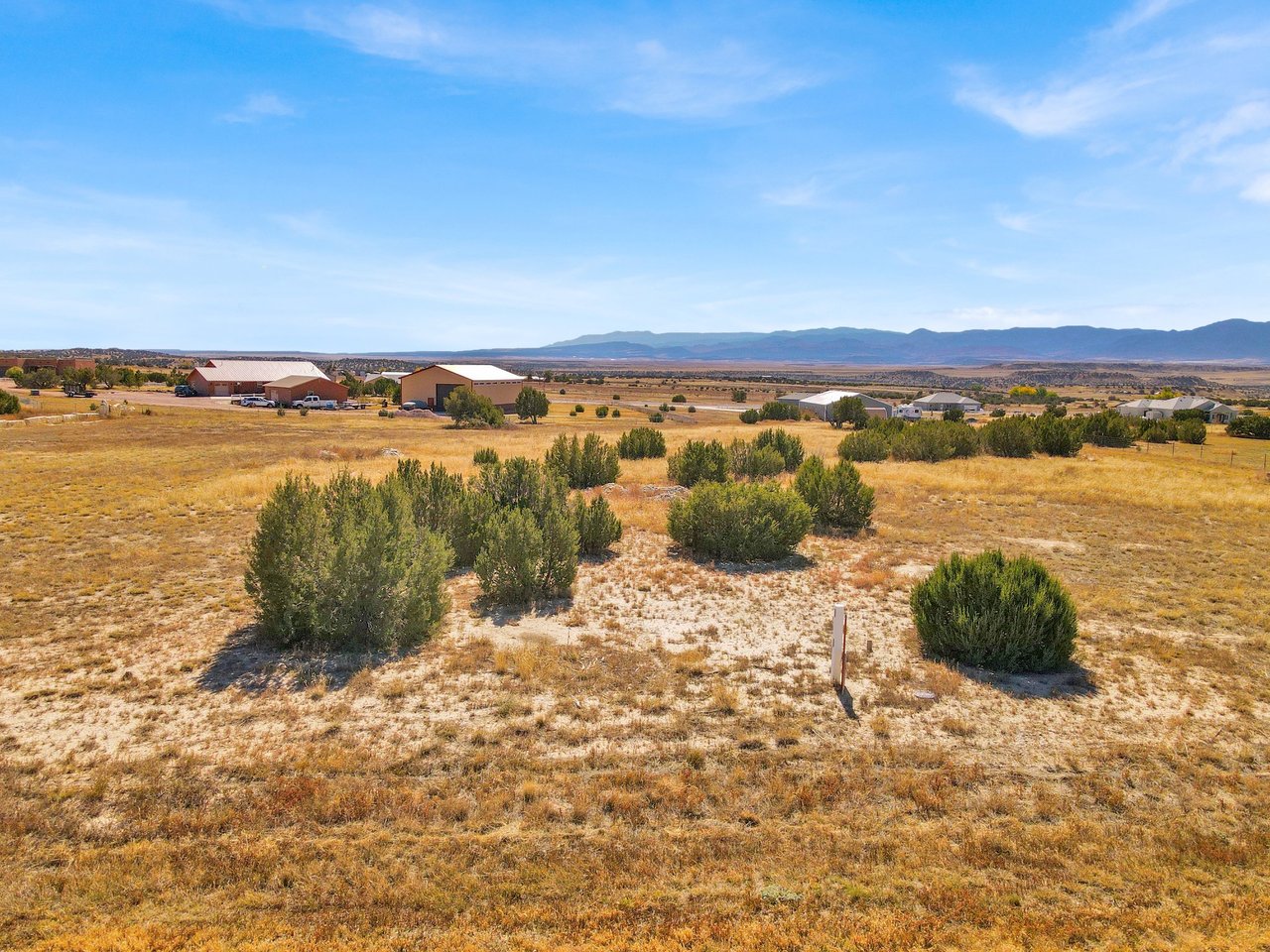
Ever wonder what day-to-day life looks like when you trade sidewalks for space in Penrose? If you love the idea of elbow room, small-scale agriculture, or a quiet base near the Arkansas River corridor, acreage living can be a great fit. It also comes with new responsibilities, from road upkeep and well testing to zoning questions and wildfire preparation. In this guide, you’ll learn the realities of acreage in Penrose, what to verify before you tour, and how to set yourself up for a smooth purchase. Let’s dive in.
Penrose is an unincorporated community in Fremont County. That means county offices or special districts handle core services like road maintenance, building permits, and on-site wastewater. For any specific parcel, confirm which departments cover your address through Fremont County Community Development and Planning & Zoning.
Climate and growing conditions shift quickly with slope, aspect, and elevation. South or southwest-facing parcels often warm earlier in spring, while low pockets can hold frost later. If you hope to grow fruit or grapes, check the USDA Plant Hardiness Zone Map and talk to local experts about frost dates and chill hour needs.
Soils also vary. Shallow or alkaline soils may require amendments for gardens, orchards, or vineyards. Use the USDA NRCS Web Soil Survey to preview soil types, then order a lab test before you commit.
Access shapes daily life. Many rural parcels are off county roads, but others rely on private lanes or long gravel driveways.
The most important systems on acreage are often the ones you do not see.
Most acreage around Penrose relies on private wells. Before you buy, request the well permit and well log. You can look up permits and records through the Colorado Division of Water Resources. Ask for recent pump test or yield data, water quality results, and the static water level.
Note that surface water rights for irrigation are separate from well permits. If you see a ditch or hear about “shares,” confirm ownership and priority under Colorado water law.
Rural homes typically use on-site wastewater systems. Design and permitting are regulated by the state and county. Review the existing permit, system type, and inspection history. If soils have poor percolation or the lot is steep, an engineered system may be required at higher cost. Learn more through the Colorado Department of Public Health & Environment’s onsite wastewater program.
Confirm the serving electric utility and whether existing lines reach your planned homesite. Line extensions on long runs can be expensive. Many rural homes use propane for heating and cooking, with winter deliveries scheduled in advance. Off-grid solar with battery storage is an option, but systems must be sized for short winter days and cold temperatures.
Service varies by location. Some parcels have fiber or fixed wireless, while others rely on satellite. Ask neighbors and check current availability tools for a realistic picture before you buy.
Fremont County’s land use code controls lot sizes, setbacks, accessory buildings, and agricultural activities. Many rural zones allow small livestock, barns, and hobby farming, but specifics depend on the parcel’s zoning and any covenants or restrictions. Start with Fremont County Planning & Zoning to confirm what is allowed.
If you plan to sell farm products, host a U-pick, or open a tasting room, you may need additional permits, business licenses, signage approvals, or parking plans. Check with the county and health department before investing in commercial infrastructure.
Colorado offers use-value assessment for qualifying agricultural land, which can reduce property taxes for parcels engaged in bona fide agricultural production. Rules and documentation requirements apply. Review statewide guidance via the Colorado Division of Property Taxation, then speak with the Fremont County Assessor about your parcel and plans.
It is possible to grow fruit or grapes around Penrose, but success is site-specific. Use this quick checklist to evaluate feasibility:
For regionally tested advice, start with CSU Extension.
If you plan to keep horses or other livestock, look at fencing quality and layout before you buy.
CSU Extension publishes practical guides on fence types, maintenance, and livestock management. You can find those resources through CSU Extension.
Beyond the purchase price, budget for rural-specific expenses:
Use this list to focus your due diligence:
Buying acreage has more moving parts, but you do not have to navigate it alone. Our team has decades of experience with rural properties across Fremont and Pueblo counties. We help you streamline due diligence, coordinate with county offices, and connect with the right inspectors and service providers so you can move forward with confidence.
If you are rural-curious about Penrose, let’s talk about your plans, water and access needs, and budget. Reach out to Casey Edwards 719-240-0325 to start a focused search that fits your goals.
Stay up to date on the latest real estate trends.
What Pueblo and Pueblo West homeowners should know about days on market, pricing, and selling a home in today's real estate market.

Team Gary Miller’s Casey Edwards has been named the 2026 REALTOR® of the Year by the Pueblo Association of REALTORS®
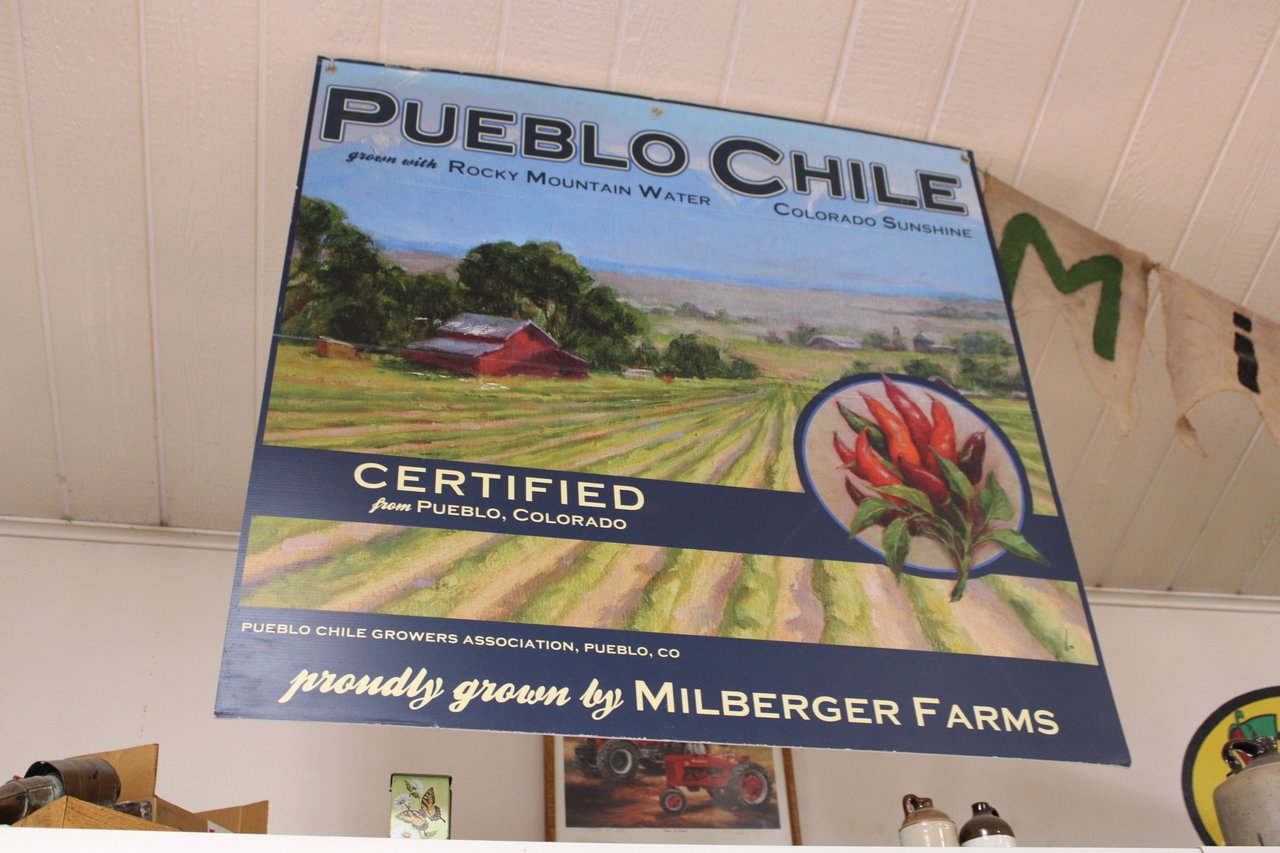
A Local Guide to Fresh Produce, Pueblo Chile and the Farms Behind the Flavor

Looking for the best places to eat in Pueblo? Discover longtime local favorites, hidden gems recommended by Pueblo residents, and restaurants worth adding to your must… Read more
Buying a Home in Pueblo County | 2026 Buyer's Guide

A practical guide to navigating a home sale during a divorce in the Pueblo area with less stress and fewer surprises.

Simple ways to enjoy Pueblo without spending much, from river walks to local art and outdoor spots